Emilia Luck: A Blackletter Font for Modern Branding
Finding a typeface that feels both timeless and edgy can be a real challenge. You want something with character and history, but it can't look like it belongs on a medieval scroll if you're designing for a modern audience. This is the sweet spot where a font like Emilia Luck operates. It takes the bold, striking forms of traditional blackletter and refines them for contemporary projects, offering a powerful tool for anyone looking to make a strong visual statement.
A Contemporary Take on a Classic Style
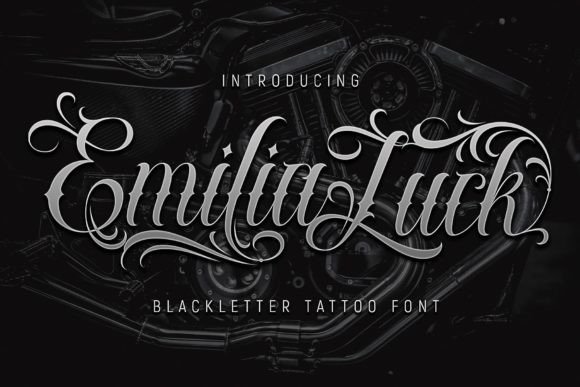
Blackletter fonts, also known as Gothic or Old English scripts, have a rich history rooted in manuscript calligraphy. They're instantly recognizable for their dense, angular, and highly decorative strokes. Traditionally, they evoke a sense of formality, tradition, and sometimes rebellion. Emilia Luck captures that inherent drama but strips away some of the excessive ornamentation that can make older blackletter styles difficult to read at smaller sizes or in digital contexts.
The result is a contemporary blackletter tattoo font that maintains the visual weight and presence of its ancestors while being more versatile. The letterforms are clean, balanced, and designed with a modern sensibility. This makes it an excellent typeface for projects where you need to integrate bold typography with other artwork without the font overwhelming the entire design. It feels right at home on logos, t-shirt designs, posters, and flyers because it speaks a language of confidence and authenticity.
Where This Typeface Truly Shines
The practical applications for a font like Emilia Luck are surprisingly broad, especially for creatives and business owners who aren't afraid to stand out. Its strength lies in its ability to act as a focal point. Think of it as the headline act, not the backup singer.
For brand identity, it can be a game-changer. A craft brewery, a boutique barbershop, a streetwear label, or an independent record store could build an entire visual world around this typeface. It immediately communicates a specific vibe—one that's rooted in craft, individuality, and a bit of counter-culture cool. In logo design, a well-set wordmark using Emilia Luck becomes a badge, a stamp of authenticity that’s hard to ignore.
Beyond logos, consider its use in packaging design. For products like artisanal spirits, specialty coffee, or handmade leather goods, this font can add a layer of perceived value and heritage. It tells a story before the customer even reads the product description. The same principle applies to social media graphics and digital products. A striking quote graphic for Instagram, a bold title for an online course, or a compelling header for a newsletter can all benefit from the instant attention this display font commands.
Making It Work: Practical Design Advice
Using a powerful creative font effectively requires a thoughtful approach. It's not just about picking a cool-looking typeface; it's about matching typography to your project's goals and ensuring your message is received clearly.
First, consider font pairing. Because Emilia Luck has such a strong personality, it rarely works well with another highly decorative font. The goal is contrast and balance. Pair it with a simple, clean sans serif font for body text. A geometric sans serif like Montserrat or a humanist one like Lato can provide a calm, readable counterpoint to the ornate headlines. This creates a clear visual hierarchy, guiding the viewer's eye from the impactful title to the supporting information.
Readability is always paramount. While Emilia Luck is more legible than many traditional blackletters, it’s still a display typeface best suited for short bursts of text—headlines, logos, pull quotes, and titles. Avoid using it for long paragraphs or small body copy, where the intricate details can become muddy and strain the reader's eyes. Always test your designs at the intended size and on the intended medium, whether it’s a phone screen, a printed flyer, or a t-shirt.
Finally, take a moment to review the full font package. A quality premium font often includes stylistic alternates, ligatures, and multiple weights. These extras are valuable design assets. Alternates can give you different versions of certain letters, allowing you to fine-tune the look of a logo or wordmark. Understanding what’s included helps you leverage the font to its full potential and create more unique, customized designs.
A Tool for Strong Visual Communication
In a crowded marketplace, visual consistency and brand recognition are everything. Choosing a distinctive typeface like Emilia Luck and using it consistently across your website, social media, print materials, and merchandise helps build a cohesive and memorable brand identity. It becomes a recognizable element of your visual language.
Ultimately, fonts are tools for communication. They carry connotations and set the tone before a single word is read. Emilia Luck offers a specific voice: one of boldness, craftsmanship, and modern edge. For the right project, it’s more than just a font—it’s a strategic choice that can elevate your design from ordinary to unforgettable. As with any commercial font