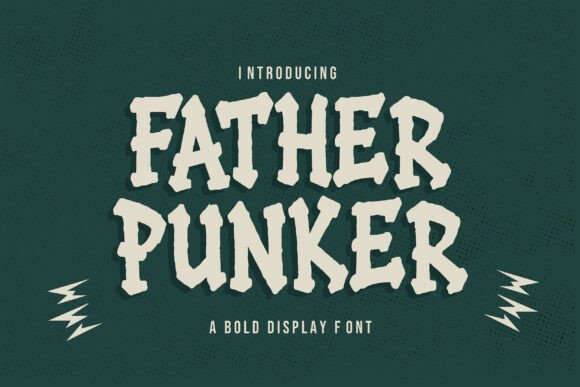
Father Punker: Injecting Raw Energy Into Modern Design
There is a specific kind of energy that radiates from the underground music scene—the smell of ink and paper in a photocopied zine, the chaotic beauty of a wheat-pasted poster on a brick wall, and the unapologetic attitude of garage band flyers. If you have ever tried to bottle that specific aesthetic for a digital project, you know how difficult it can be to find a typeface that feels authentic rather than manufactured. Generic "grunge" fonts often look like they were made by a computer trying to be messy, lacking the actual human touch that defines the punk ethos. This is where the distinction between a standard font and a crafted design asset becomes clear. We are taking a deep dive into Father Punker, a display typeface that bridges the gap between vintage counterculture and modern graphic design needs.
The Visual Language of Rebellion
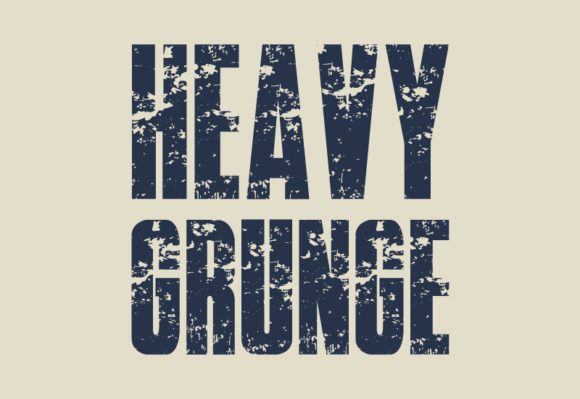
Father Punker is not just a collection of letters; it is a piece of graphic design in itself. The moment you type out a headline, you are met with a bold countenance that commands attention. The aesthetic is heavily influenced by distressed typography, but it avoids the trap of being unreadable. Instead of random noise, the texture feels handcrafted. It mimics the imperfections of screen printing and the rough edges of hand-cut stencils. This gives the font a tactile quality, making it look as though the ink is still drying on the page.
For designers, this visual language is invaluable. In a market saturated with clean, sanitized sans-serif fonts—think the ubiquitous minimalist styles of the last decade—Father Punker offers a necessary contrast. It provides an edge that is hard to replicate with standard typefaces. The visual weight of the font allows it to stand alone as a focal point in a composition. You do not necessarily need complex illustrations or heavy filters to make a poster or logo pop; the typography itself carries the visual burden, creating an immediate mood that suggests authenticity, alternative culture, and raw energy.
Practical Applications for Branding and Packaging
When we talk about branding, consistency is king, but personality is the kingdom. If you are building a brand identity for a craft brewery, a vintage clothing line, a tattoo studio, or an independent record label, your typography needs to speak the same language as your product. Father Punker excels in these environments. Imagine this typeface on a beer label; it immediately communicates a bold, no-nonsense flavor profile before the customer even reads the ingredients. It fits perfectly into the "craft" aesthetic that values handmade processes over industrial perfection.
Packaging design is another area where this font shines. On a shelf crowded with products using delicate script fonts or rigid corporate serifs, a distressed display font creates immediate visual disruption. It works exceptionally well for short, punchy copy—headers, slogans, or product names. For example, if you are designing a box for a hot sauce, the jagged, high-energy strokes of Father Punker visually translate the heat inside the bottle. It is about matching the tactile experience of the product with the visual experience of the brand.
Digital Presence and Social Media Graphics
The digital landscape moves fast, and grabbing a user's attention on social media requires bold moves. Father Punker is an excellent tool for content creators and marketers looking to stop the scroll. On platforms like Instagram or TikTok, where visual noise is high, a bold display font can cut through the clutter. It is particularly effective for creating quote graphics, announcement posts, or sale banners where the text needs to be the hero.
However, when applying this typeface to web design, a strategic approach is required. Display fonts are designed for impact, not for body copy. Using Father Punker for your H1 headers or navigation menu items can give your website a distinct vibe, perhaps for a music blog or an event promotion site. But for the actual article text or product descriptions, readability is paramount. This is where the concept of font pairing comes into play. A strong display font like Father Punker pairs beautifully with a neutral, high-legibility sans-serif font for body text. The contrast between the chaotic header and the clean body copy creates a visual hierarchy that guides the reader's eye naturally through the page.
Editorial Design and Print Materials
There is a resurgence in print media, specifically in the form of zines, independent magazines, and physical merchandise. For editorial designers, Father Punker offers a way to break the grid. Traditional layout design often relies on rigid structures, but punk-inspired typography thrives on breaking those rules. It can be used to create dynamic pull quotes or dramatic chapter headers that infuse energy into a long-form article.
Consider the world of merchandise—specifically, the t-shirt market. A great t-shirt design often relies on a single, powerful visual element. Father Punker can serve as the foundation for a graphic tee, requiring only a simple layout to look professional. It resonates with the streetwear demographic that values vintage aesthetics. Similarly, for event invitations—whether it is a local gig, a Halloween party, or a launch event with an edgy theme—this font sets the tone immediately. It tells the invitee exactly what kind of atmosphere to expect before they read a single word of the details.
Strategic Typography: Pairing and Readability
Choosing the right font style is only half the battle; knowing how to use it is the other half. One of the most common mistakes in using distressed or handcrafted fonts is overdoing it. If every element on a page is shouting for attention, nothing gets heard. When working with Father Punker, treat it as the lead singer of the band, not the whole group. It needs supporting players.
If you are working on a project that requires a lot of information, such as a menu, a brochure, or a website landing page, use Father Punker strictly for the "entry points"—the main titles and key call-to-action buttons. For the supporting text, choose a font that is structurally different. A clean geometric sans-serif often works best because its simplicity complements the complexity of the distressed display font without competing with it. This contrast ensures that your design remains readable while maintaining that edgy, alternative vibe.
Furthermore, always consider the context of your audience. While the grunge aesthetic is beloved by many, it may not resonate in every market. For a corporate law firm or a pediatric clinic, this style might send the wrong message. But for brands targeting a demographic that values authenticity, individuality, and counter-culture—such as Gen Z and Millennials interested in sustainable fashion, indie music, or artisanal goods—Father Punker is a perfect fit. It signals that a brand understands the visual codes of these subcultures.
Licensing and Asset Management
For creative entrepreneurs and small business owners, understanding the commercial utility of a font is just as important as its aesthetic value. When investing in a premium font, you are acquiring a design asset that can be used across multiple touchpoints. It is essential to review the licensing terms associated with the font to ensure it covers your specific needs, whether that is for physical merchandise, digital ads, or app development.
Father Punker is built to be versatile across these applications. Because it is a vector-based typeface, it scales infinitely without losing quality, making it suitable for everything from a small favicon on a browser tab to a massive banner at a trade show. Investing in a high-quality typeface like this saves time in the long run. Instead of hunting for free, low-quality fonts that require heavy editing to look professional, starting with a well-crafted asset streamlines the design process. It allows you to focus on the message you are trying to convey, knowing that the typography is already doing the heavy lifting to establish the right mood.
Ultimately, typography is about communication. It is about finding the voice that matches the words on the page. For projects that require a voice that is loud, unapologetic, and steeped in the rich history of counter-culture design, Father Punker provides the perfect vocabulary. It is a reminder that design does not always have to be polished and pristine; sometimes, the most impactful designs are the ones that look like they have lived a little.