Starbeam: The Handwritten Font That Feels Like Your Brand's Handshake
There's a moment in every design project where the typeface either clicks into place or feels completely off. You've been there—scrolling through endless font libraries, trying to find something that balances personality with professionalism, warmth with polish. That's the sweet spot where Starbeam lives, and it's worth understanding why this particular handwritten font resonates with so many different creative applications.
A Font That Captures Movement Without Losing Control
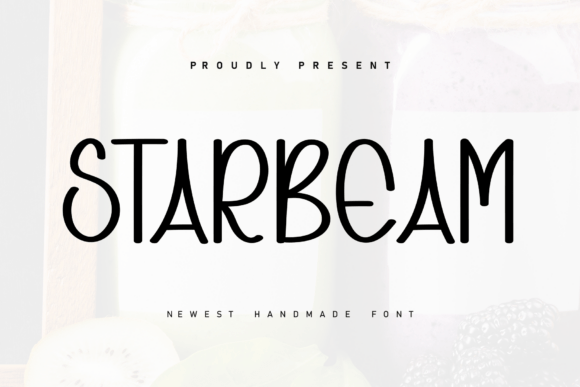
Starbeam was drawn with a marker aesthetic in mind, which gives it an organic, hand-lettered quality that feels genuinely human. The letterforms carry a relaxed, sporty energy—think of someone signing a thank-you note with confidence, or a boutique owner writing a chalkboard menu with flair. Each character has subtle variations that mimic the natural pressure changes of a real marker on paper, but the overall consistency stays tight enough for professional use.
What makes this typeface work so well across different contexts is its ability to feel casual without being sloppy. There's a difference between a font that looks hastily scribbled and one that looks intentionally hand-crafted. Starbeam falls firmly in the second category. The strokes have enough weight to hold their own at larger sizes, while the letter spacing keeps everything readable even when things get a little more compact.
Where This Handwritten Font Actually Shines
Let's talk practical applications, because that's what really matters when you're deciding whether a font deserves a spot in your design toolkit.
Brand identity work is where Starbeam particularly excels. If you're building a brand for a lifestyle company, fitness studio, artisan bakery, or boutique retail shop, this typeface brings an approachable sophistication that hard-edged sans serif fonts simply can't replicate. It says, "We're professional, but we're also real people." That messaging matters enormously for businesses that want to connect with customers on a personal level.
Logo design benefits from Starbeam's distinctive character. Because it's a display font with genuine personality, logos built with it tend to be memorable. The marker-style lettering works beautifully for logos that need to feel handmade or artisanal—think coffee roasters, craft breweries, surf shops, or creative agencies that want to project an approachable vibe.
Wedding supplies and invitations are another natural fit. The elegant-yet-casual quality means it works for save-the-dates, ceremony programs, table cards, and thank-you notes without feeling stuffy or overly formal. Couples planning relaxed outdoor weddings, destination celebrations, or modern minimalist ceremonies often gravitate toward this kind of typography.
Packaging design for products targeting younger demographics or lifestyle-conscious consumers can leverage Starbeam to create shelf appeal. Food products, beauty brands, wellness supplements, and artisanal goods all benefit from packaging that feels personal rather than corporate.
Social media graphics need fonts that pop at small sizes and stop the scroll. Starbeam's bold marker strokes hold up well in Instagram stories, Pinterest pins, and Facebook ads. It's particularly effective for quote graphics, sale announcements, and promotional posts where you need personality without sacrificing legibility.
Making It Work in Real Projects
Here's where practical advice matters more than font theory. Choosing the right typeface is only half the battle—knowing how to use it effectively is what separates good design from great design.
Font pairing is essential. Starbeam works beautifully alongside clean sans serif fonts like Montserrat, Open Sans, or Lato. The contrast between the handwritten display font and a structured body text creates visual hierarchy that guides readers naturally through your content. Avoid pairing it with other script fonts or overly decorative typefaces, which creates visual chaos rather than harmony.
Readability considerations matter more than you think. While Starbeam is remarkably legible for a handwritten font, it's still best suited for headlines, short phrases, and display text rather than long paragraphs. Use it where you want impact—a hero section headline, a product name, a call-to-action button—then switch to a simpler typeface for body copy. This approach maintains the personality while keeping your content accessible.
Testing at multiple sizes before committing saves headaches later. Pull up your design at the actual size it will appear—whether that's a business card, a website banner, or a social media post—and evaluate whether the letterforms maintain their clarity and charm. Starbeam generally performs well across sizes, but every project has unique requirements.
Color and background interactions deserve attention too. Marker-style fonts like Starbeam tend to look their best with sufficient contrast. Dark text on light backgrounds or reversed-out white text on solid colors gives the letterforms room to breathe. Busy photographic backgrounds can compete with the font's personality, so consider using a semi-transparent overlay or solid color block behind your text.
Beyond the Basics: Elevating Your Visual Communication
For content creators and marketers, typography choices directly impact audience engagement. Research consistently shows that appropriate font selection increases time-on-page, improves message recall, and strengthens brand recognition over time. When your visual language feels cohesive and intentional, audiences respond with trust and attention.
Starbeam contributes to visual consistency across touchpoints. Using the same handwritten font across your website headers, email campaigns, social media posts, printed materials, and merchandise creates a recognizable visual thread that ties everything together. Customers start associating that specific typographic voice with your brand before they even read the words.
For small business owners managing their own design work, having a reliable premium font in your toolkit reduces decision fatigue. Instead of hunting for a new typeface every time you create a flyer or update your website, you already have a go-to option that communicates your brand values consistently.
Licensing and Practical Considerations
Before incorporating any commercial font into client work or business materials, verify the licensing terms carefully. Most premium fonts offer different license tiers for personal use, commercial projects, and extended applications like merchandise or app development. Understanding these distinctions protects you legally and ensures you're using the font within its intended scope.
Review what's included with your Starbeam purchase—character sets, language support, alternate styles, and any additional weights or variations. Many modern handwritten fonts include stylistic alternates that let you customize the look further, swapping out specific letterforms to create different moods or solve particular design challenges.
The best typography decisions happen when font personality aligns with project goals. If your brand or project calls for warmth, approachability, and a touch of handcrafted elegance, Starbeam deserves serious consideration. It won't work for every context—a law firm or medical practice probably needs something more restrained—but for the right application, it becomes an invaluable design asset that elevates everything it touches.