Wedding Vintage: Crafting Timeless Elegance in Your Designs
There's a particular kind of magic in letterforms that feel both nostalgic and fresh—script that whispers of handwritten love letters while still commanding attention on a modern screen. Wedding Vintage captures that duality beautifully. It's not just another decorative typeface; it's a refined script font designed to bring warmth, sophistication, and a sense of personal touch to creative work. Whether you're designing a wedding invitation suite, building a boutique brand identity, or crafting social media content that stops the scroll, this font offers a visual language that resonates with elegance without feeling stuffy or outdated.
A Typeface with Character and Versatility
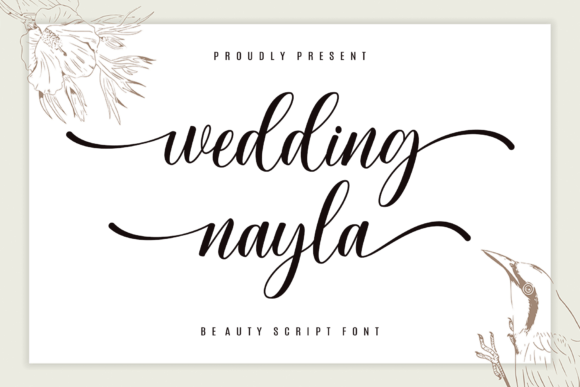
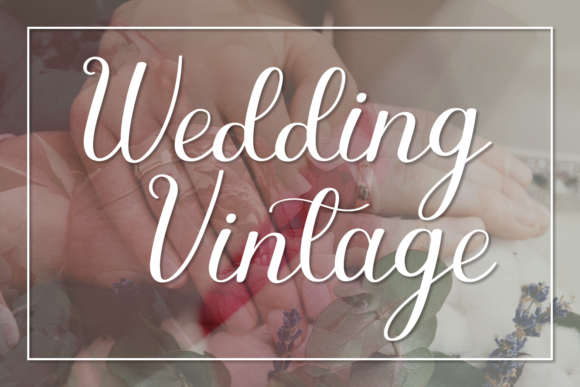
What sets Wedding Vintage apart from countless other script fonts is its careful balance between ornamental flair and functional design. The letterforms carry a hand-lettered quality—flowing connections, graceful swashes, and subtle imperfections that give text an organic, human feel. But unlike purely decorative scripts that sacrifice legibility for style, Wedding Vintage maintains clear letter shapes and consistent spacing. You can actually read it.
The font includes stylish alternates and ligatures that let you customize the look of headlines, monograms, and display text. Want the capital "W" in "Wedding" to have a longer, more dramatic flourish? There's an alternate for that. Need the connection between certain letter pairs to feel smoother? The ligatures handle it seamlessly. These details matter when you're trying to create something that feels intentional rather than templated.
From a design perspective, Wedding Vintage works best as a display font—think headlines, logos, pull quotes, and hero text. It's the kind of script font you reach for when you want to inject personality into a layout without overwhelming the rest of your design. Pair it with a clean sans serif font for body copy, and you've got a typographic system that feels both polished and approachable.
Where This Font Truly Shines
Let's talk about real applications, because a font is only as valuable as the projects it elevates. Wedding Vintage fits naturally into a wide range of creative contexts, and understanding where it performs best will help you make the most of it.
Branding and Logo Design: If you're building a brand for a wedding planner, florist, bakery, boutique hotel, or any business rooted in romance and craftsmanship, this typeface offers a strong starting point for logo design. The elegant curves and vintage-inspired details communicate care, quality, and personal attention—exactly the values these businesses want to project. A logo built around Wedding Vintage paired with a simple serif font or sans serif font for taglines creates a cohesive brand identity that feels premium without being pretentious.
Invitations and Print Materials: This is the obvious one, and for good reason. Wedding invitations, save-the-dates, rehearsal dinner cards, bridal shower announcements—these are projects where typography carries enormous emotional weight. Wedding Vintage brings that handcrafted, bespoke quality that couples look for. It also works beautifully for menu cards, programs, thank-you notes, and other stationery pieces that complete the event suite.
Packaging Design: Think beyond weddings. Artisan chocolate boxes, candle labels, skincare products, small-batch goods—any packaging design project that needs to feel elevated and personal can benefit from a premium font like this one. The script style suggests craftsmanship and small-batch care, which resonates with consumers who value authenticity.
Social Media Graphics and Digital Content: Instagram stories, Pinterest pins, Facebook headers, YouTube thumbnails—visual platforms reward designs that stand out. Wedding Vintage works particularly well for quote graphics, promotional announcements, and branded content templates. The key is using it sparingly; let the font do the heavy lifting on a few words or a short phrase, then use a more neutral typeface for supporting text.
Websites and Blogs: For web design, Wedding Vintage is best reserved for headings, hero sections, and decorative elements rather than paragraph text. A blog focused on wedding planning, lifestyle, home décor, or food can use this creative font to establish visual personality in headers while keeping body copy in a highly readable typeface. This approach improves both brand recognition and readability—two things that often compete but don't have to.
Editorial Layouts and Digital Products: Magazine covers, lookbooks, e-book titles, online course graphics, PDF templates—editorial design projects benefit from typefaces that set a mood quickly. Wedding Vintage does that heavy lifting with just a few characters. If you're selling digital products like planners, worksheets, or design templates, incorporating a distinctive handwritten font style can differentiate your offerings in a crowded marketplace.
Matching Typography to Your Project Goals
Choosing the right font isn't just about picking something that looks pretty. It's about aligning visual style with communication goals. Before you commit to Wedding Vintage—or any typeface—ask yourself a few practical questions.
What emotion should the design evoke? Wedding Vintage leans romantic, nostalgic, and refined. If your project calls for something edgy, minimalist, or corporate, this probably isn't the right fit. But if warmth, elegance, and personal touch are what you're after, it's a strong contender.
Who is the audience? The font will resonate most with people who appreciate classic aesthetics and artisanal quality. That includes brides-to-be, gift shoppers, foodies, design enthusiasts, and anyone drawn to vintage-inspired visual culture. Understanding your audience helps you decide whether this style of modern typography connects or alienates.
How will the font be used? Display text, body copy, and functional UI elements all have different typographic needs. Wedding Vintage excels in short-form, high-impact applications. Using it for long paragraphs or small-sized text on screens will create readability problems. Respect the font's strengths, and it will reward you with beautiful results.
Practical Tips for Working with Script Fonts
Script fonts like Wedding Vintage demand a bit more care than straightforward sans serifs. Here are some grounded recommendations for getting professional results.
- Test font pairings early. Don't design an entire layout before checking how your script font interacts with your body typeface. Try pairing Wedding Vintage with geometric sans serifs like Montserrat or clean serifs like Playfair Display. The contrast between ornate and structured creates visual hierarchy without confusion.
- Mind the size. Script fonts generally need more breathing room than block-style typefaces. Set Wedding Vintage at larger sizes where the details of alternates and ligatures remain visible and legible. At small sizes, the connections between letters can blur together.
- Check spacing and kerning. Depending on your design software, you may need to manually adjust letter spacing. Script fonts with connecting strokes sometimes need tighter tracking to maintain the illusion of continuous handwriting, while other times they need more room to breathe.
- Review the full character set. Wedding Vintage includes alternates and ligatures, so take time to explore the complete glyph panel. You might discover a swash or alternate form that perfectly suits a specific word or monogram. Many designers overlook these extras and miss opportunities to customize their work.
- Consider commercial licensing. If you're using the font for client work, merchandise, or products you plan to sell, verify the licensing terms. Most premium font licenses cover a range of commercial uses, but it's worth confirming before you commit—especially for design assets that will be distributed or resold.
Building Visual Consistency Across Touchpoints
One of the most overlooked benefits of choosing a distinctive display font like Wedding Vintage is how it contributes to visual consistency. When you use the same typeface across your website headers, social media templates, printed materials, and email graphics, you create a recognizable visual thread that ties everything together. Customers start to associate that lettering style with your brand. That's brand recognition built through typography—no logo redesign required.
The trick is restraint. Use Wedding Vintage as your accent font—one voice in a typographic ensemble rather than the entire orchestra. Combine it with complementary fonts for different text roles: a bold sans serif for calls to action, a readable serif for body paragraphs, and Wedding Vintage for the moments that need to feel special. This layered approach to font pairing creates designs that are both visually rich and functionally sound.
Whether you're a seasoned designer exploring new design assets or a small business owner building your first brand kit, Wedding Vintage offers a versatile, elegant foundation. It won't solve every typographic challenge you face, but for the projects that call for romance, refinement, and a touch of vintage charm, it delivers exactly what you need—beautiful letterforms that make your work feel considered, crafted, and unmistakably yours.