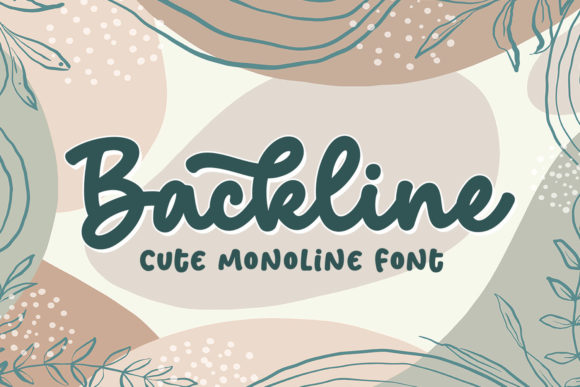
Backline: The Handwritten Font That Feels Like Home
There’s a certain magic in a message that looks like it was written by hand. It bypasses the polished, sometimes sterile feel of digital text and speaks directly to us on a human level. For designers, creators, and business owners, capturing that authentic, personal touch in digital projects can be a challenge. You need a typeface that doesn’t just look handwritten, but feels like it was crafted with care—a font that brings warmth, personality, and a dash of nostalgia to any screen or page. This is where a well-crafted display font becomes an invaluable asset, and Backline is a prime example of one that delivers on this promise.
More Than Just a Chalkboard Style
At its core, Backline is a cute and simple lettered handwritten font. Its design immediately evokes the cozy, familiar aesthetic of chalkboard quotes in a favorite café, the gentle guidance of a teacher's notes on a whiteboard, or the heartfelt messages in a family scrapbook. The letterforms have an organic, slightly uneven quality that feels genuinely human, avoiding the overly perfect or overly messy traps that many script fonts fall into. This careful balance is what gives it its authentic look, allowing it to add a personal and realistic feel to your designs without sacrificing clarity.
But limiting this versatile typeface to just chalkboard-style projects would be a missed opportunity. Its charm lies in its adaptability. The clean, readable letterforms work beautifully across a spectrum of creative applications, making it a potent tool for anyone building a visual identity or crafting engaging content.
Building a Brand with a Human Touch
In a crowded marketplace, a distinctive brand identity is everything. Typography is a cornerstone of that identity, and the font you choose for your logo, packaging, and marketing materials sets the entire tone for your audience. For brands that want to communicate approachability, creativity, craftsmanship, or friendliness, a handwritten font like Backline can be a strategic choice.
Consider a local bakery wanting to highlight its artisanal bread, a boutique florist creating elegant yet personal wedding invitations, or a wellness coach building a brand centered on empathy and support. Using Backline for the primary logo or tagline instantly injects personality. It tells customers, “There’s a real person behind this business who cares about the details.” This kind of visual communication builds emotional connections and fosters brand recognition far more effectively than a generic, corporate typeface ever could.
When it comes to logo design, pairing Backline with a clean, simple sans-serif font creates a beautiful contrast. The handwritten element draws the eye and conveys the brand's soul, while the sans-serif provides stability and ensures key information like the business name or tagline remains perfectly legible. This font pairing strategy is a hallmark of modern typography, allowing for both personality and professionalism.
From Digital Screens to Tangible Products
The true test of a great design asset is its versatility. Backline shines not only in branding but also in a wide array of practical, real-world projects where visual consistency and audience engagement are key.
For Digital Creators and Marketers:
- Social Media Graphics: In the fast-scrolling world of Instagram or Pinterest, a handwritten quote or a call-to-action set in Backline can stop the scroll. It feels personal and authentic, encouraging higher engagement than a standard block of text. Use it for Instagram story templates, quote graphics, or promotional banners.
- Websites and Blogs: A font like this is perfect for accent text. Think section headings, pull quotes, or the author’s name on a blog post. It adds visual interest and breaks up long passages of body text, improving the overall readability and flow of a webpage. It’s a subtle touch that elevates the entire user experience.
- Digital Products and Marketing Assets: Whether you’re designing an e-book cover, a worksheet for a course, or a promotional email header, Backline adds a layer of professionalism and care. It signals to your audience that the content is valuable and thoughtfully presented.
For Print and Physical Goods:
- Packaging Design: Imagine Backline on the label of a jar of homemade jam, the sleeve of a scented candle, or the box for a small-batch chocolate bar. It communicates artisanal quality and small-batch authenticity, justifying a premium feel.
- Invitations and Stationery: For wedding invitations, baby shower announcements, or business thank-you cards, this font provides a heartfelt, personal touch that printed, formal fonts often lack.
- Posters and Merchandise: Create eye-catching event posters, motivational prints for a home office, or charming designs for t-shirts and tote bags. Its display font characteristics ensure it remains impactful even at larger sizes.
Making It Work: Practical Typography Tips
Adopting a new font into your workflow is exciting, but a few practical considerations will ensure you get the most out of it. First, always consider your primary goal. Is it to be whimsical? Professional? Nostalgic? The personality of Backline leans toward friendly and authentic, so it’s ideal for projects where that message aligns.
Next, test your font pairings rigorously. As mentioned, a sans-serif like Montserrat or Lato makes an excellent companion. Avoid pairing it with another decorative or script font, as this can create visual chaos. The goal is harmony and hierarchy, not competition for attention.
Never underestimate readability. While perfect for headlines and short bursts of text, a handwritten font can become tiring to read in long paragraphs. Use it strategically for impact, and pair it with a highly legible serif or sans-serif for body copy. This ensures your message is both beautiful and accessible.
Finally, take a moment to review the font’s full character set and included styles. Many premium fonts like Backline come with alternates, ligatures, or multiple weights. Understanding these options allows you to customize your typography further, adding unique swashes to a letter or adjusting weight for emphasis, which truly makes the design your own. And, of course, for any commercial project—from client work to selling merchandise—always ensure you have the appropriate commercial license. This protects you legally and supports the designers who create these valuable assets.
Choosing the right typeface is a blend of art and strategy. It’s about finding a voice that speaks for your project. For designs that call for a whisper of warmth, a dash of sincerity, and a truly personal connection, a thoughtfully crafted handwritten font like Backline is more than just a set of letters; it’s a tool for telling better, more human stories. It’s that authentic, realistic feel that can transform a simple design into something memorable.