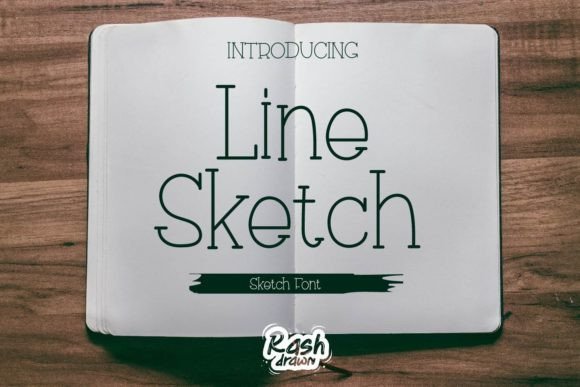
Line Sketch: Your Friendly Handwritten Font for Authentic Design
There's something instantly welcoming about a design that feels like it was made by a human hand. In a world of polished digital perfection, a touch of authenticity can make your message resonate more deeply. This is where the power of a well-crafted handwritten typeface comes into play, offering a bridge between professional polish and personal connection. One such tool that embodies this balance is a particular creative font known for its unique charm and versatility, turning ordinary projects into memorable ones.
More Than Just Letters: The Visual Appeal of a Hand-Drawn Aesthetic
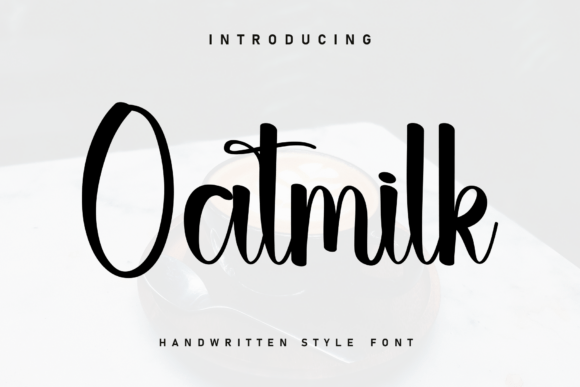
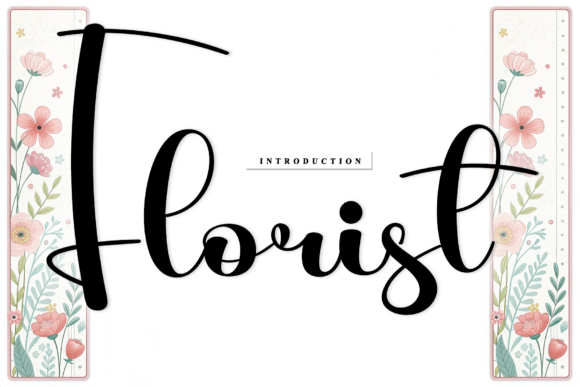
What sets this specific handwritten font apart is its careful blend of casual elegance and legible structure. It's not a wild, scrawling script that sacrifices readability for style. Instead, each character maintains a consistent baseline and thoughtful spacing, ensuring words flow smoothly on the page or screen. The strokes have a natural, slightly textured quality that mimics the feel of a pen on paper, avoiding the sterile look of many digital fonts. This makes it an excellent display font for headlines and logos where personality is key, but it remains functional enough for shorter blocks of text in invitations or social media captions.
When you're building a brand identity, the typography you choose tells a story before a single word is read. This typeface communicates approachability, creativity, and a down-to-earth sensibility. It's perfect for businesses and creators who want to appear friendly and relatable—think boutique bakeries, independent authors, wellness coaches, or artisan craft sellers. The font's inherent warmth helps build an immediate emotional connection with the audience, which is a cornerstone of effective visual communication.
From Screen to Shelf: Practical Applications Across Projects
The true test of any design asset is its adaptability. This handwritten font shines across a wide spectrum of creative and commercial projects. For logo design, it can serve as the primary wordmark for a brand that values authenticity, or it can be used as a secondary element to add a personal signature to a more structured serif font or sans serif font. Its character makes it a standout choice for packaging design, where it can grace labels, boxes, and tags with an artisanal touch that suggests care and quality.
In the digital realm, it's a powerhouse for engagement. Use it for social media graphics to create posts that feel personal and scroll-stopping. It’s ideal for quote images, announcement graphics, and story overlays. For web design, it can be used sparingly for key headings or calls-to-action to inject personality without compromising the site's overall readability. Bloggers and content creators will find it invaluable for creating distinctive chapter titles in digital products like e-books or planners, and for designing eye-catching pins and promotional images.
Beyond the screen, its applications are equally robust. It lends a beautiful, personal feel to print materials such as business cards, thank-you notes, and posters. For events, it’s a natural fit for wedding invitations, menus, and signage that require a touch of elegance and intimacy. Even merchandise like tote bags, mugs, and apparel can benefit from its charming aesthetic, making everyday items feel special and custom-designed.
Integrating Line Sketch Into Your Design Workflow
Adopting a new font is more than just a download; it's about learning how to make it work within your existing toolkit. A key strength of this typeface is its ability to perform well in font pairing. It creates a beautiful contrast when placed alongside a clean, geometric modern typography sans serif. The combination allows the handwritten font to deliver its emotional punch in headlines while the sans serif ensures body text remains perfectly readable. For a more classic feel, pairing it with a traditional serif can create an interesting dialogue between old and new.
Before committing to a final design, always test your typography in context. Check how the font renders at different sizes—what looks perfect in a large headline might become less legible when scaled down for a footnote. Pay close attention to letter spacing and line height, as these subtle adjustments can dramatically impact the overall feel and readability of your text. Review the full character set and any included styles (like bold or italic versions) to understand its full potential for creating hierarchy and emphasis in your editorial design or marketing assets.
Finally, for any commercial application—whether it's for a client project, your own business, or a product for sale—always confirm the licensing. Most premium fonts come with clear licenses that outline permissible uses, ensuring you can use your new creative font with confidence for everything from a small blog to a large-scale advertising campaign.
Crafting Cohesion: How the Right Font Strengthens Your Message
Choosing a font like this isn't just a decorative decision; it's a strategic one that contributes to visual consistency and brand recognition. When used thoughtfully across all your touchpoints—from your website headers to your invoice templates—it becomes a recognizable signature that reinforces your brand's personality. This consistency builds trust and makes your presence more memorable in a crowded marketplace.
Moreover, a font with clear character and good design principles can actually aid readability by making text more engaging. Readers are more likely to linger on content that feels inviting and easy to digest. This professional presentation elevates your work, signaling to clients and customers that you value quality and attention to detail. It transforms a simple document or graphic into a crafted piece of communication.
Ultimately, the goal is to find tools that help you express your ideas more effectively. A versatile, friendly handwritten font is one such tool. It empowers you to add a layer of human connection to your digital and print projects, helping your work stand out not just visually, but emotionally. It’s about giving your designs a voice that is both authentic and articulate, ensuring your message is not only seen but felt.