Gresley: A Typeface Pairing Where Bold Structure Meets Fluid Expression
There’s a particular challenge in design that feels almost like a contradiction: how do you create something that feels both powerfully structured and authentically human? Too much rigidity, and your work feels cold and corporate. Too much whimsy, and it can lack the authority to be taken seriously. This is the exact tension that the Gresley typeface duo is built to resolve. It’s not just a font; it’s a conversation between two distinct voices—the clear, commanding speaker and the eloquent, flowing storyteller—designed to work in perfect harmony for the modern creative landscape.
The Anatomy of a Modern Creative Font
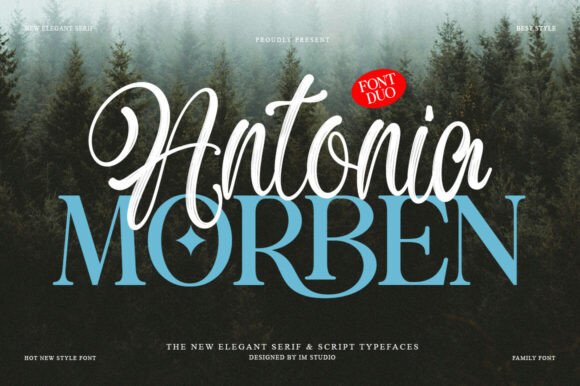
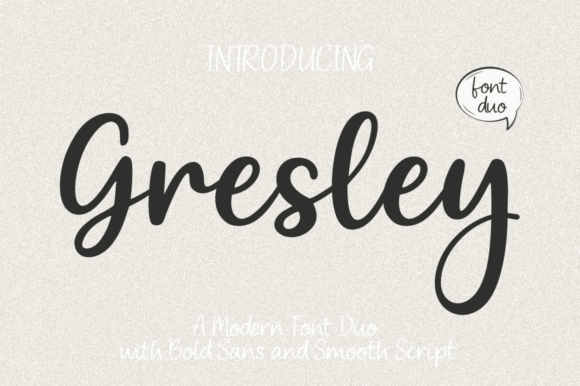
At first glance, Gresley presents itself as a contemporary sans serif. Its foundation is clean, geometric, and incredibly legible. This isn’t a font that tries to be overly trendy with excessive quirks; instead, it offers a timeless clarity. The letterforms are balanced with a generous x-height and open counters, which means they read beautifully at small sizes on a screen and hold their own with crisp authority in large headlines. This is your anchor. This is the voice that states facts, presents a brand name with confidence, and ensures your key message is impossible to miss.
The magic, however, lies in its companion: a fluid, rhythmic script. This isn’t a rigid calligraphy or a casual scrawl. It’s a smooth, connected handwritten font that moves with a natural, almost musical cadence. It introduces warmth, personality, and a sense of handcrafted care. Used together, they create a dynamic visual hierarchy. The sans serif lays down the law, providing structure and order, while the script dances alongside it, adding emphasis, emotion, and a human touch. This balance is what makes Gresley such a versatile and powerful asset for any designer’s toolkit.
Practical Applications: From Brand Identity to Social Media
Understanding a font’s personality is one thing; knowing how to deploy it is where the real value lies. Gresley’s dual nature makes it exceptionally adaptable across a spectrum of projects, solving common design problems with elegant efficiency.
For Branding and Logo Design: A strong brand identity needs to be both memorable and versatile. Imagine a logo where the company name is set in Gresley’s sturdy sans serif, while the tagline or a key descriptor flows beneath it in the script. This instantly communicates a business that is both professional and approachable, reliable yet creative. It works for a boutique consultancy, a artisanal coffee roaster, a tech startup, or a lifestyle brand. The pairing does the heavy lifting of storytelling from the very first glance.
In Packaging and Print Materials: On a product label or a business card, space is limited and impact is everything. Use the sans serif for the product name and essential details to ensure legibility. Then, let the script highlight a single, powerful word like “Artisan,” “Crafted,” or “Original.” This creates a focal point that draws the eye and conveys quality. For invitations, the script can set a celebratory tone for the event name, while the sans serif provides clear, readable information for the date and venue.
Across Digital Platforms: The digital realm demands fonts that perform. Gresley’s sans serif is optimized for web readability, making it a superb choice for website headers, blog post titles, and UI elements where clarity is non-negotiable. The script variant shines in social media graphics. Think of an Instagram quote where the main idea is in bold sans and the author’s name is in elegant script. It creates a visual rhythm that stops the scroll. For digital products like e-books or course materials, using the sans for body text and the script for chapter titles or pull quotes can dramatically enhance the reading experience, making dense information feel more engaging.
Enhancing Visual Communication and Professionalism
Choosing a font system like Gresley isn’t just an aesthetic decision; it’s a strategic one that directly impacts how your audience perceives and interacts with your work.
First, it fosters visual consistency. When you use the same two complementary voices across your website, social media, and printed flyers, you create a cohesive brand language. This repetition builds recognition. Your audience starts to associate that specific typographic harmony with your brand, strengthening your identity without you saying a word.
Second, it dramatically improves readability and engagement. The human eye craves variety and pattern. A wall of uniform text is tiring. By using the sans serif to establish clear entry points and the script to add personality and emphasis, you guide the reader’s journey through your content. You make information easier to digest and more enjoyable to consume, which keeps people engaged longer—whether they’re reading a blog post or scanning a brochure.
Finally, it elevates your professional presentation. Using a thoughtfully designed, premium font duo signals that you care about the details. It shows intentionality in your design choices, which translates to perceived credibility in your business or project. It moves your work from looking “put together” to looking “professionally crafted.”
Tips for Integrating Gresley into Your Workflow
Adopting a new typeface system effectively requires a bit of strategy. Here’s how to get the most out of Gresley:
Know Your Goal First: Before you even open your design software, ask: what is the primary feeling or message of this project? Is it authoritative? Friendly? Luxurious? Playful? Let that goal dictate which voice of Gresley leads. For a formal report, the sans might dominate. For a wedding invitation, the script could take center stage.
Test the Pairing in Context: Don’t just look at the fonts in a preview window. Place them into your actual design mockup. Set your headline in the sans and a sub-headline in the script. How do they interact? Is there enough contrast in size and weight? Does the script feel too crowded? Always test at the size it will be viewed, whether on a mobile screen or a printed poster.
Respect Readability: The script is beautiful, but it’s not for long paragraphs of body text. Its strength is in headlines, short phrases, and accent words. For body copy, always opt for the sans serif or a neutral, highly legible companion font. Ensure there is sufficient contrast between text and background color, especially with the more delicate script.
Review All Included Styles: A quality font family like Gresley often comes with multiple weights (Light, Regular, Bold) and possibly alternate characters. Take the time to explore these. A lighter weight of the sans might be perfect for a delicate subheading, while the bold weight commands attention in a poster headline. Alternates can add a unique flair to your script lettering.
Understand the License: Before using Gresley in any commercial project—from a client’s logo to merchandise for sale—verify the licensing terms. Ensure the license covers your intended use (e.g., desktop, web, app, print). Using a font correctly protects you legally and supports the type designers who create these valuable tools.
Gresley is more than just a collection of glyphs. It’s a system designed for clear, compelling, and human-centered communication. It provides the tools to build brands that feel both confident and relatable, to create designs that are structured yet full of life. In a world saturated with visual noise, this thoughtful balance between vigor and refinement might just be the most powerful design asset you adopt this year.