Snacking Font: A Handwritten Typeface for Joyful Designs
There’s a certain magic in a design that feels both personal and polished. You know the kind—it catches your eye not with loud graphics, but with a warm, inviting character that seems to whisper rather than shout. Achieving that balance often comes down to typography. A font can carry the entire mood of a project, transforming a simple layout into something that feels genuinely connected and alive. For many designers and creators, finding that perfect typeface is like discovering a secret ingredient.
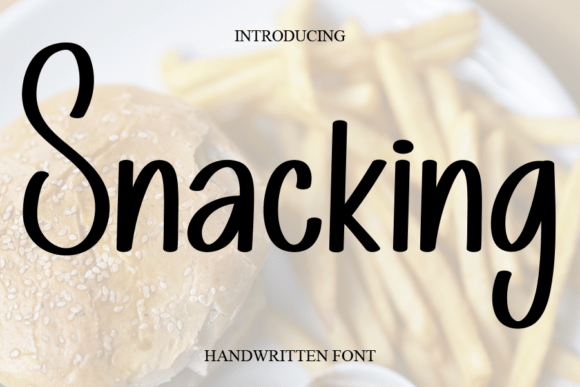
Enter Snacking, a sweet and cursive handwritten font designed to bring a gentle, romantic flair to a wide array of creative work. It’s more than just a set of letters; it’s a tool for adding personality. With its flowing connections and soft curves, this typeface feels approachable and elegant without being overly formal. It’s the kind of font that makes a greeting card feel more heartfelt, a logo feel more approachable, and a social media graphic feel more engaging. Let’s explore how this particular style can become a versatile asset in your design toolkit.
Capturing a Mood: The Visual Appeal of Snacking
What makes a handwritten font like Snacking work so well in modern design? Its strength lies in its authenticity. In a digital landscape often filled with sharp, geometric sans-serifs, a script font introduces a human touch. Snacking executes this beautifully. The letterforms have a natural, flowing rhythm, mimicking the slight variations of actual handwriting. This creates an immediate sense of warmth and approachability, which is invaluable for brands and projects aiming to build a personal connection with their audience.
Visually, it strikes a crucial balance. It’s clearly a display font meant for headlines and logos, but its legibility is carefully considered. The letters are distinct enough to be read easily at a glance, avoiding the common pitfall of overly decorative scripts that become a jumbled mess. This makes it a practical choice, not just a pretty one. Whether you’re pairing it with a clean serif font for body text in an editorial layout or using it alongside a bold sans-serif for a poster, Snacking provides a complementary softness that rounds out a design system.
Where This Font Shines: Real-World Applications
The true test of any design asset is its versatility. How many different projects can you use it in before it feels tired? Snacking is built for variety, adapting its charm to suit numerous contexts. For branding and logo design, it’s a natural fit for businesses in the lifestyle, wellness, food, or boutique retail space. Imagine it on a bakery’s logo, a florist’s packaging, or the header of a wedding planner’s website. It immediately communicates care, quality, and a personal touch.
Beyond logos, its applications are extensive:
- Marketing & Social Media: Use it for quote graphics, promotional headers, or Instagram story text to grab attention with a friendly vibe. It helps your content stand out in a crowded feed.
- Print & Packaging: From thank-you cards and wedding invitations to product labels and tote bags, Snacking adds a crafted, boutique feel that elevates physical items.
- Digital Products & Web Design: Employ it for ebook chapter titles, course module headings, or website call-to-action buttons to guide the reader’s eye with style.
- Editorial & Blogging: Break up long blocks of text in a magazine or blog post with pull quotes or section headings set in this script font, adding visual interest and pacing.
Making It Work: Practical Typography Advice
Using a script font effectively requires a bit of strategy. The goal is to enhance your design, not complicate it. First, always consider context and readability. A font like Snacking is perfect for short, impactful text—think headlines, logos, and accents. For longer paragraphs or small-sized text on a website, opt for a highly legible sans-serif or serif font. The contrast between the two will actually make the script elements pop even more.
Font pairing is where the magic happens. Try combining Snacking with a neutral, geometric sans-serif for a modern, balanced look. For a more classic or elegant feel, pair it with a traditional serif typeface. The key is to let the handwritten font be the star of the show, with its companion fonts playing a supportive, readable role. Always test your pairings in context—view them at the actual size they’ll be used and on the intended medium, whether a computer screen or a printed brochure.
Also, take time to explore the full font file. Premium fonts often include stylistic alternates, swashes, or ligatures. These are alternate character designs that can add even more flair and customization to your typography, allowing you to tailor the look precisely to your project’s needs. And before you commit to any commercial font for a client project, always double-check the licensing. Ensure the license covers your intended use, whether it’s for a logo, merchandise, or digital ads, to avoid any legal hiccups down the road.
Building a Cohesive Visual Identity
Consistency is the bedrock of strong brand recognition. When a customer sees the same style of imagery, color palette, and typography across your website, social media, and packaging, it builds trust and familiarity. A distinctive font like Snacking can become a core component of that visual identity. Using it consistently for specific elements—like all your headline text or your primary logo—creates a recognizable signature.
This doesn’t mean you can’t use other fonts. In fact, a robust brand identity often uses a small family of typefaces (a primary display font, a secondary headline font, and a body text font). Snacking fits perfectly into such a system as your primary display or accent font. Its joyful character can help set the emotional tone for your entire brand, making your marketing materials feel more unified and intentional. This thoughtful approach to typography shows professionalism and attention to detail, which resonates deeply with audiences.
Ultimately, choosing a typeface is about communication. You’re not just picking letters; you’re choosing a voice for your message. Snacking offers a voice that is warm, inviting, and gently elegant. It’s a creative asset that can help bridge the gap between a digital interface and a human feeling, making your designs not just seen, but felt. For the designer, entrepreneur, or crafter looking to add a layer of authentic charm to their work, it’s a tool well worth exploring.