Oatmilk: A Handwritten Font for Authentic Branding
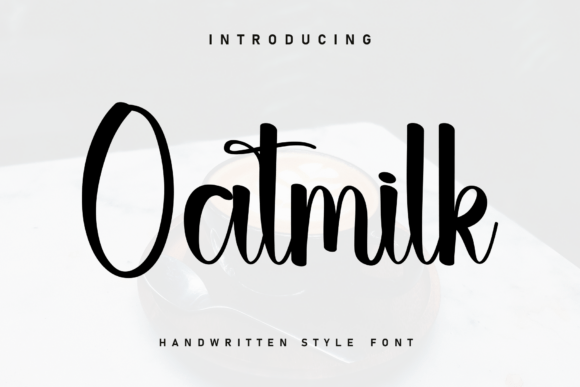
There's a certain magic in a font that feels human. It doesn't just display words; it communicates warmth, personality, and an approachable sincerity that polished, geometric typefaces often miss. For designers, entrepreneurs, and creators seeking that authentic touch, discovering a typeface like Oatmilk can feel like finding the perfect tool for a long-standing creative puzzle. This charming handwritten font, with its smooth strokes and organic lines, offers a relaxed yet intentional aesthetic that can breathe life into a wide array of projects.
More Than Just Letters: The Personality of a Typeface
What sets a font like Oatmilk apart isn't just its visual style—it's the feeling it evokes. Its handwritten nature carries an inherent sense of craftsmanship and personal touch. Unlike rigid, formal scripts, its letterforms flow with a natural rhythm, avoiding the stiffness that can make a brand feel distant. This makes it an excellent choice for projects where building a genuine connection with the audience is paramount. Think of the difference between a generic store-bought card and one with a handwritten note; the latter always feels more personal. A premium font in this style can impart that same feeling to your digital and print materials.
For small business owners, this translates directly to brand identity. Using a creative font like Oatmilk for your logo or primary branding elements can immediately signal that your brand is approachable, detail-oriented, and values a personal touch. It’s particularly effective for businesses in the wellness, artisan food, boutique retail, wedding services, or creative coaching spaces. The font does a lot of the heavy lifting in establishing your brand's voice before a customer even reads a full sentence.
Practical Applications: From Screen to Shelf
The versatility of a well-crafted handwritten font is one of its greatest assets. Oatmilk’s balanced design allows it to function beautifully across various mediums without losing its character. Here’s how it can be applied in real-world design projects:
- Logo Design & Branding: It serves as a standout display font for logos, brand names, and taglines. Its organic quality makes logos feel memorable and unique. Pair it with a clean, simple sans serif font for body text to create a perfect font pairing that ensures readability while maintaining personality.
- Packaging Design: On product labels, boxes, or tags, Oatmilk can communicate artisanal quality. Imagine it on a jar of local honey, a bag of specialty coffee, or a candle label—it adds a layer of perceived care and authenticity that can influence purchasing decisions.
- Digital Presence: For social media graphics, it’s a game-changer. Use it for Instagram quote posts, Facebook ad headlines, or Pinterest pins to stop the scroll with a relatable, human element. On a website, it can be used sparingly for key headings or call-to-action buttons to draw attention and inject personality into your web design.
- Marketing & Editorial: From email newsletter headers to blog post titles, it adds visual interest. In editorial design, such as magazine layouts or lookbooks, it can create beautiful pull quotes or section headers that break up the monotony of body text.
- Physical Products & Print: Its charm extends beyond the screen. Consider it for wedding invitations, greeting cards, thank you notes, posters, or even merchandise like tote bags and mugs. The handwritten style ensures these items feel special and customized.
Making It Work: Practical Typography Advice
Adopting any new font, especially a script or handwritten one, requires a bit of strategy to ensure it enhances rather than hinders your project. Here are some practical tips for working with Oatmilk or similar typefaces:
- Prioritize Readability: Handwritten fonts are best used for headlines, logos, and short phrases. Avoid setting long paragraphs of body copy in a script font, as it can become tiring to read. Reserve it for high-impact, short-form text where its personality can shine without compromising clarity.
- Master Font Pairing: The key to professional presentation is contrast and balance. Pair Oatmilk with a neutral, highly legible font. A clean sans serif (like Montserrat or Lato) or a simple serif (like Lora or Merriweather) for your body text will create a harmonious and readable hierarchy. Let the handwritten font be the star of the show for select elements.
- Test Thoroughly: Before committing, test the font in context. Type out your actual brand name, tagline, or key headlines. Check the spacing between letters (kerning) and words. Ensure the specific letters in your content connect smoothly and look intentional. Review all the included font styles—often, a font family includes alternates or ligatures that can solve specific letter-pairing issues.
- Consider the Context: Match the typography to your project's goals. Is the tone playful, elegant, or rustic? While Oatmilk leans towards a relaxed, heartfelt vibe, ensure it aligns with your specific message. A legal document or a fintech startup’s annual report would likely call for a different typographic voice.
- Understand Licensing: For any commercial project—from client work to products for sale—always verify the font’s licensing. A commercial font license ensures you have the legal right to use the typeface in your intended applications, protecting both you and your clients.
Elevating Your Visual Language
Ultimately, the fonts you choose are a fundamental part of your visual communication strategy. They contribute significantly to visual consistency, which in turn builds brand recognition. When a customer sees the same distinctive, warm typeface across your Instagram posts, your website, and your product packaging, it creates a cohesive and professional brand world they can easily recognize and trust.
A font like Oatmilk offers more than just aesthetic appeal; it provides a tool for creating emotional resonance. It helps bridge the gap between a business and its audience by adding a layer of human warmth and authenticity. In a digital landscape often dominated by sterile interfaces and uniform typography, a thoughtfully chosen handwritten font can be the very element that makes your brand feel relatable, memorable, and genuinely engaging. It’s about choosing a design asset that works as hard as you do, telling your brand’s story with every carefully crafted letter.