Macro: A Display Typeface for Bold, Unforgettable Branding
There’s a moment in every design project where you realize the typography isn’t just holding the words—it’s making the statement. You’ve tried the safe sans serifs, the elegant serifs, maybe even a playful script. But for that headline, that logo, that packaging that needs to stop someone mid-scroll or mid-aisle, you need something with undeniable presence. That’s where a typeface like Macro comes in. It’s not a workhorse for body text; it’s a specialist, a bold declaration designed to be the visual anchor of your most important creative work.
Understanding the All-Caps Display Philosophy
Macro is an all-caps display typeface, which immediately tells you its purpose. Unlike a versatile family with multiple weights and styles for paragraphs, a display font like this is engineered for impact at larger sizes. Think of it as the architectural centerpiece of a building—the ornate lobby, not the standard office floor. Its distinct artistic elements and strong character are built for one job: to command attention. The absence of lowercase letters isn’t a limitation; it’s a deliberate design choice that forces a uniform, powerful rhythm in headlines and titles. Every letter stands at the same height, creating a clean, unwavering baseline that feels modern and assertive.
This makes it a fantastic tool for logos, titles, and decorative initials where legibility and style need to merge into a single, memorable mark. When you choose a font like this, you’re choosing a specific visual personality. Its strength lies in its ability to deliver a high-end, professional aesthetic without feeling sterile. It carries personality in its curves, its weight, or its subtle details, allowing your branding to feel both polished and distinctive.
Where Macro Truly Shines: Practical Applications
Knowing a font looks great is one thing. Knowing exactly where to deploy it is where strategy meets creativity. This is where a premium font moves from being a design asset to a core component of your visual communication.
For Branding & Logo Design: A logo is the ultimate test of a typeface. Macro’s strong, consistent caps are perfect for creating a logotype that needs to be scalable and recognizable from a business card to a billboard. Pair it with a simple sans-serif or a delicate serif for your tagline or supporting text to create a balanced, professional brand identity system.
In Packaging & Editorial Layouts: Walk down any store aisle, and you’ll see display fonts at work. They’re on the front of coffee bags, skincare bottles, and book covers. Macro’s bold presence can make a product name jump off the shelf. In magazines or lookbooks, it’s ideal for chapter titles, pull quotes, or feature article headers that guide the reader’s eye with authority.
Across Digital & Social Media: On a crowded Instagram feed or a busy website homepage, you have milliseconds to make an impression. Using Macro for your main headline or key promotional graphic instantly elevates the visual quality. It ensures your social media graphics, YouTube thumbnails, or website hero sections have a cohesive, professional look that builds brand recognition. It’s a creative font that translates well from print to screen, maintaining its impact.
Making It Work: Pairing and Practicality
A powerful display font needs a supporting cast. The key to using Macro effectively is in the pairing. You wouldn’t put two lead actors in the same scene without considering their chemistry. Here’s some practical advice for integrating it into your projects:
- The Rule of Contrast: Pair Macro’s bold, all-caps style with a simpler, more neutral typeface for body copy. A clean sans-serif (like Helvetica, Open Sans, or Proxima Nova) or a classic serif (like Garamond or Times New Roman) provides a visual rest for the eyes and ensures your message remains readable. Avoid pairing it with another highly decorative or script font, which can create visual chaos.
- Readability First: Because it’s a display typeface, use it sparingly for large blocks of text. Its power is in headlines, subheads, and short, impactful phrases. For paragraphs, blog post body text, or detailed product descriptions, always choose a font designed for extended reading.
- Test Before You Commit: Always test your chosen font pairings in context. Mock up a social media post, a webpage layout, or a product label. See how the fonts interact at the actual size they’ll be viewed. Check spacing and kerning—how the letters fit together—to ensure a polished result.
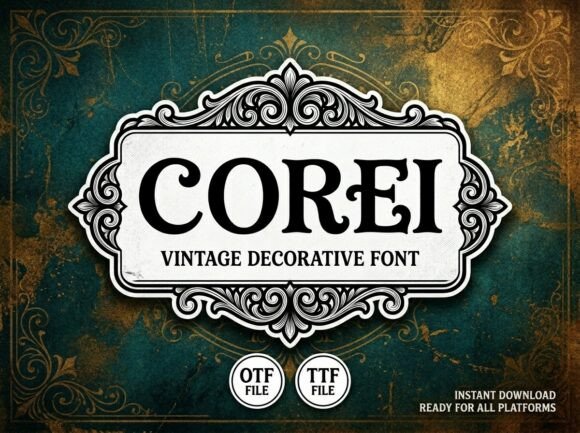
- Leverage the Included Files: The OTF file is your go-to for professional design software like Adobe Illustrator or InDesign, giving you access to advanced typographic features. The TTF file ensures compatibility if you’re working in other programs or need to ensure the font renders correctly on various systems for client deliverables or web use. This flexibility is crucial for commercial font assets.
Beyond Aesthetics: The Business of Visual Consistency
Using a distinctive typeface like Macro isn’t just an artistic choice; it’s a business one. Consistent typography is a cornerstone of strong brand identity. When your audience sees the same distinctive style on your website, your packaging, your invoices, and your social ads, it builds subconscious recognition. They start to associate that visual style with your quality, your service, and your values.
This font helps improve that consistency. Its strong character becomes a recognizable part of your brand’s visual language. It can make marketing assets feel more cohesive and professional, which in turn can increase audience engagement. People are drawn to visuals that feel intentional and well-crafted. Whether you’re a small business owner creating your first brand kit, a designer pitching a bold new concept to a client, or a content creator looking to upgrade your digital products, having a reliable, high-impact display typeface in your toolkit is a strategic advantage.
Before you finalize any design, always double-check the licensing for commercial use, especially if the project is for a client or for sale. Understanding what’s included with your font purchase ensures you can use it confidently across all your creative and commercial projects, from your website to your merchandise.