Raleigh Handwriting: A Modern Font for Authentic Brand Voice
There's a particular kind of flatness that creeps into digital design when everything looks too polished. You know the feeling—scrolling through a feed where every brand uses the same geometric sans serif, the same clean lines, the same sterile precision. Something human gets lost. And in a marketplace where authenticity drives connection, that loss matters more than most people realize. This is precisely why a typeface like Raleigh Handwriting has found its way into so many creative toolkits. It doesn't just look like handwriting; it carries the warmth, rhythm, and slight imperfection of someone actually putting pen to paper.
Why Handwritten Fonts Still Resonate in a Digital Age
Humans are wired to respond to the personal. A handwritten note on a product label, a scrawled signature on a website header, an invitation that feels like it was crafted by hand rather than spit out by a printer—these details create emotional texture. They signal care. They suggest that a real person stands behind the design, not just a corporation optimizing for click-through rates.
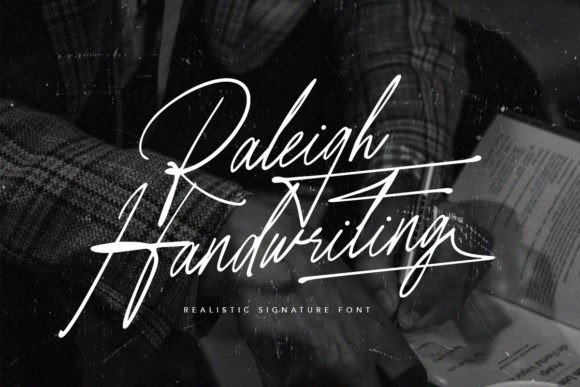
Raleigh Handwriting occupies a specific sweet spot in this space. It's not trying to mimic a child's crayon lettering or a calligrapher's elaborate flourishes. Instead, it delivers a modern handwritten font aesthetic—fluid, confident, and legible enough for professional use. The letterforms have a natural flow that suggests someone writing quickly and gracefully, with enough variation in stroke weight to feel organic without becoming chaotic.
For designers and business owners who've struggled to find a script font that doesn't look dated or overly decorative, this kind of restrained elegance solves a real problem. You get the personality of handwriting without sacrificing the readability that commercial projects demand.
Where This Typeface Actually Works
Let's talk specifics, because the value of any premium font lives in its application, not its specimen sheet.
Brand identity and logo design stand out as natural fits. A boutique bakery, a lifestyle coaching practice, a handmade candle company, an independent photography studio—these brands often need a visual language that feels approachable yet intentional. Raleigh Handwriting works beautifully as a primary wordmark or as a secondary element paired with a clean sans serif font. Think of it as the difference between a brand that feels corporate and one that feels like a conversation.
Packaging design is another arena where this typeface shines. Shelf appeal depends on immediate emotional recognition. When a customer glances at a row of products, the one with a hand-lettered label often wins the first reach. Whether it's artisanal food, skincare, or craft beverages, a handwritten font on packaging communicates handmade quality before anyone reads a single ingredient.
Social media graphics benefit enormously from this kind of typographic personality. Instagram stories, Pinterest pins, quote cards, promotional banners—these formats reward visual warmth. A script typeface used for headlines or pull quotes can stop a thumb-scroll in ways that another bold sans serif simply cannot. It creates contrast against the typical feed, which is half the battle in crowded social spaces.
Then there's the world of wedding invitations and event stationery, where Raleigh Handwriting feels almost purpose-built. The flowing letterforms carry an inherent romance and formality without stuffiness. Save-the-dates, RSVP cards, ceremony programs, table numbers—each piece benefits from a cohesive typeface that bridges elegance and approachability.
For web design, handwritten fonts serve as powerful accent tools. A homepage hero section with a hand-lettered tagline layered over a lifestyle photograph creates immediate warmth. Blog headers, newsletter sign-up banners, and landing page callouts all gain personality from this kind of typographic choice. The key is restraint—using it strategically rather than saturating every headline and paragraph.
Editorial design and print materials round out the list. Magazine pull quotes, cookbook chapter titles, zine layouts, poster designs, and even merchandise like tote bags and mugs benefit from a display font that carries human energy. Raleigh Handwriting's versatility across these contexts makes it a genuinely useful addition to any designer's asset library.
Matching Typography to What You're Actually Trying to Say
Choosing a font isn't just an aesthetic decision—it's a communication decision. The typeface you select tells your audience something about who you are before they process a single word. This is where many projects go sideways. People choose fonts they personally find beautiful without considering whether those fonts align with their message.
A few practical guidelines help here. First, consider the emotional register of your project. Raleigh Handwriting communicates warmth, creativity, and personal touch. If you're designing for a law firm or a financial advisory, it probably shouldn't be your primary typeface. But as an accent in a lifestyle brand's toolkit? Perfect.
Second, think about font pairing. Handwritten fonts rarely work well when set alongside other script or decorative typefaces. They need a grounded partner—a sturdy serif font for traditional elegance, or a geometric sans serif for modern contrast. Try setting your body text in something neutral and reserving Raleigh Handwriting for headlines, subheadings, or call-to-action phrases. This creates hierarchy and prevents visual fatigue.
Third, test your pairings in context. A font that looks gorgeous in a design tool might muddy up at small sizes on a mobile screen or lose its charm when printed on textured paper. Always preview your typography in the actual medium where it will live. Print a sample. View it on a phone. Check it against your brand colors. These small tests prevent expensive mistakes.
The Practical Side: Licensing, Styles, and Readability
Before committing to any commercial font, understand what you're getting. Raleigh Handwriting typically includes multiple styles and weights, which expands its utility significantly. Swash alternates, ligatures, and stylistic sets can transform the look of your text with a single toggle. Take time to explore what's included—many designers purchase a font and only ever use the default settings, missing half its potential.
Readability deserves honest attention. Handwritten fonts, by nature, trade some legibility for personality. At large display sizes, this trade-off is usually fine. At body text sizes—especially on screens—it becomes a problem. Use Raleigh Handwriting where it performs best: headlines, logos, short phrases, and decorative elements. Pair it with a highly readable body font for longer passages. Your audience will thank you.
Commercial licensing is another practical checkpoint. If you're using a font for client work, merchandise, or products you intend to sell, verify that your license covers those applications. Most design assets come with clear terms, but it's worth confirming before a project goes to print or a product listing goes live. This isn't just legal housekeeping—it protects the investment you've made in your brand's visual identity.
Building Visual Consistency Across Touchpoints
One of the most underrated benefits of selecting the right creative font early in a project is the consistency it enables. When you establish Raleigh Handwriting as part of your brand's type system—alongside complementary serif or sans serif choices—you create a visual thread that runs through every customer touchpoint.
Your website headers echo your packaging. Your social media graphics feel like your email newsletters. Your printed materials carry the same energy as your digital presence. This kind of brand recognition doesn't happen by accident. It happens through deliberate typographic choices applied consistently over time.
For small businesses and independent creators especially, this consistency levels the playing field. You don't need a massive budget to look professional and cohesive. You need a thoughtfully chosen typeface, a complementary partner font, and the discipline to use them the same way across every piece of communication you produce.
Raleigh Handwriting makes that discipline easier because it's versatile enough to work across contexts while distinctive enough to be remembered. That combination—flexibility and personality—is exactly what most creative projects actually need. Not a font that tries to do everything, but one that does a specific thing exceptionally well and plays nicely with others.
The next time you're starting a project and staring at a blank artboard, consider what your typography is really saying. The right handwritten typeface doesn't just decorate your design. It gives it a voice—warm, human, and unmistakably yours.